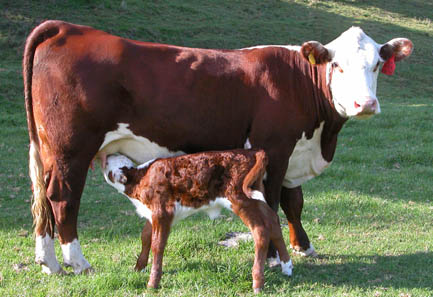
The Mauthe family has a long history in the milk business that stretches back to the 1930s in New Orleans when raw milk was delivered by truck in the lower 9th ward. Nowadays, their products appear in markets such as The Crescent City Farmer's Market and Holly Grove. However, despite their decades of hard work, farmer's markets in the New Orleans area are dying. And unlike industrialized dairy farms that mass produce milk, family owned farms receive no health insurance or retirement fund. They are truly on their own when it comes to funding and additional support.
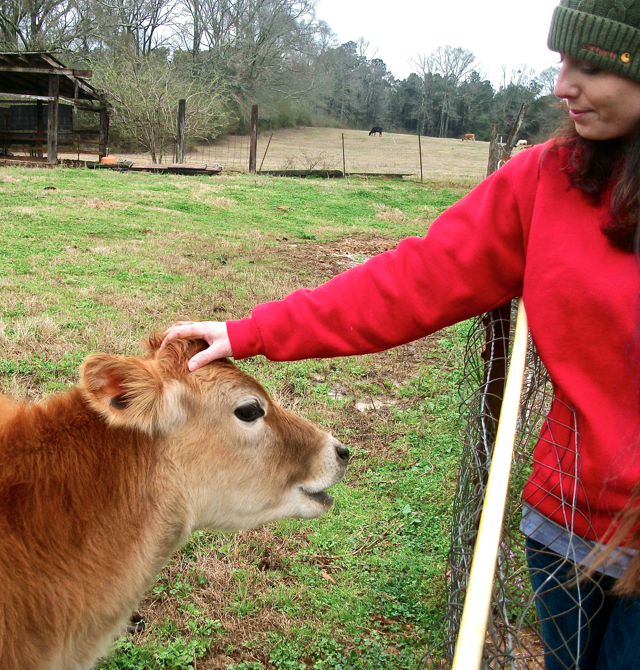 Our visit to Mauthe Farms was like stepping back in time to when quality food was a necessity in America. The farm takes care of their cows and breeds them for longevity, with their average cow living to be around 11 years old, contrary to the current industry standard. Industrialized cows live for a maximum of 4 years and spend their days chained to milking machines. This method of raising cows comes from a perspective based purely on profits and capital gains. As Sarah said, "It's all about the dollar".
 Another aspect of the current industry standard for milk involves the ultra pasteurization of milk which removes the enzymes necessary for digestion. This renders many people lactose-intolerant. As Mauthe farms uses a low heat pasteurization process, many lactose-intolerant people are able to digest their milk without any problems. Jamie told us, "a man who had gone 50 years without drinking milk due to his lactose intolerance tried our milk and now buys several half-gallons from us a week". This just goes to show how loving care, dedication and hard work form the true roots of dairy farming.
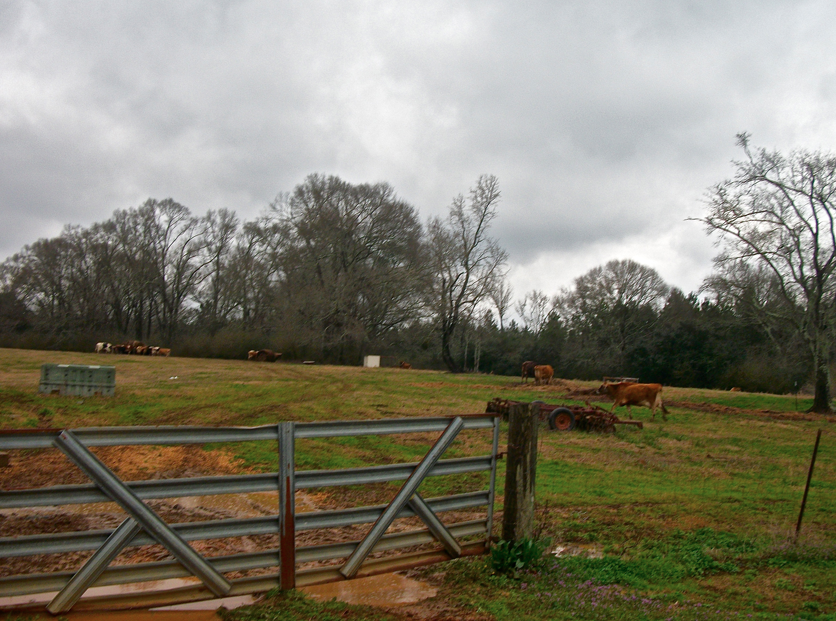 To the Mauthe family, working on the farm is not a job, it is a way of life. Our trip to their farm was an eye-opening experience and we believe every consumer should form the same connection to their local farms. We, as a society, have lost our way when it comes to knowing and appreciating where our food comes from. To know the Mauthe family and to see their farm is to know what real milk is.
 Consumers have every right to know where their food comes from and how it is produced. We must take advantage of the information and wisdom that family owned farms provide. Thank you so much to Mauthe Farms for providing our community with a healthy and safe source for REAL milk. Don't just take our word for it, take a trip to Mauthe Farms or to one of the local markets and see for yourself.